Does Roof Cleaning Void Your Tile Manufacturer Warranty?
For homeowners in Prospect, maintaining the appearance and structural integrity of a tiled roof is a critical part of property upkeep. Over the seasons, airborne spores, tree debris, and changing weather conditions lead to visible streaks of black algae, clusters of lichen, and thick cushions of moss across roof planes. While the impulse to wash away these unsightly growths is understandable, many homeowners hesitate over a significant concern: does roof cleaning void your tile manufacturer warranty?
The short answer is it depends entirely on how the cleaning is performed. Using aggressive, unapproved cleaning methods will almost certainly void your manufacturer warranty, whereas using manufacturer-endorsed, low-pressure sanitisation methods will keep your warranty intact while preserving your roof. As we navigate 2026 building codes and modern roofing guidelines, understanding the precise relationship between maintenance techniques and warranty clauses has never been more important.
Understanding Modern Tile Manufacturer Warranties in 2026
Roof tiles are engineered to withstand decades of harsh environmental exposure. Leading manufacturers of concrete, terracotta, and composite roof tiles routinely offer product warranties spanning anywhere from 20 to 50 years. However, these documents are written with precise legal and technical stipulations designed to protect the manufacturer from claims caused by post-installation abuse.
Tile warranties are typically divided into two core categories: structural warranties and surface-coating warranties.
Structural integrity warranties guarantee that the tile body will not crack, curl, delaminate, or lose its load-bearing strength under normal environmental conditions. Coating or finish warranties, which apply primarily to glazed terracotta or sealed concrete tiles, guarantee that the decorative and protective pigment or slurry layer will not prematurely peel, flake, or erode.
Every major roofing manufacturer explicitly outlines acceptable care protocols within their maintenance documentation. In almost every instance, any treatment that mechanically alters, abrades, or introduces moisture past the designed water-shedding boundary of the tiles is listed as grounds for immediately terminating warranty coverage.
Why High-Pressure Washing Voids Tile Warranties
The most common reason a homeowner inadvertently voids their tile warranty is permitting an untrained contractor or attempting a DIY project using high-pressure equipment directly on the roof. While high-pressure washing remains an exceptional technique for surfaces like hard concrete, applying thousands of pounds per square inch (PSI) to roofing tiles causes severe, irreversible damage.
1. Erosion of the Protective Glaze and Slurry Coat
Concrete roof tiles rely on a factory-applied pigmented slurry coat or acrylic sealer to prevent water absorption and inhibit organic growth. Blasting these tiles with high pressure strips away this sacrificial micro-layer. Once this finish is mechanically eroded, the porous concrete beneath is exposed to the elements. This raw substrate absorbs water at an accelerated rate, dramatically speeding up future moss regrowth and causing the surface to look faded and chalky.
2. Micro-Fractures and Structural Fatigue
Terracotta tiles, while naturally durable, are brittle. High-pressure water impact can create invisible micro-fissures throughout the tile body. Over time, these hairline fractures expand due to everyday thermal expansion and contraction cycles. What begins as a clean roof surface quickly leads to cracked, leaking tiles after a few seasons of temperature fluctuations.
3. Water Ingress Beyond the Laps
Roof tiles are designed to shed water running downward with gravity. They are not engineered to withstand upward- or lateral-directed water streams delivering 3,000 PSI or more. High-pressure washing drives pressurized water under the tile laps, saturating the timber battens, soaking the ceiling insulation, and tearing the underlying sarking or underlayment. Manufacturer warranties clearly state that structural damage resulting from forced water intrusion is not covered.
The Manufacturer-Approved Alternative: Soft Wash Roof Cleaning
Because abrasive pressure washing damages roofing materials, industry standards in 2026 uniformly endorse soft washing as the compliant method for professional Roof Cleaning. Endorsed by roofing trade associations and major tile manufacturers globally, soft washing eliminates the reliance on destructive mechanical force.
Instead of blasting tiles, soft washing utilizes low-pressure delivery systems—operating at pressures comparable to an ordinary garden hose—to apply specialized, biodegradable sanitising solutions. These solutions penetrate the porous surface of the tile to neutralize moss, algae, and lichen colonies at the root level. Once the biological root system is eradicated, the organisms release their physical grip on the tile and wash away naturally during regular rain cycles, leaving the protective factory glaze completely unharmed.
Because soft washing cleans via chemical neutralization rather than mechanical abrasion, it fully complies with warranty requirements, preserving both the structural integrity and aesthetic coating of your roofing system.
Critical Warranty Exclusions Every Prospect Homeowner Should Review
Before scheduling any exterior maintenance work, homeowners in Prospect should review their roofing documentation to identify specific maintenance exclusions. While phrasing varies between brands, several key clauses appear across nearly all major manufacturer warranties:
- Mechanical Abrasion and Water Blasting: Explicit exclusions stating that use of pressure washers above specified low-pressure limits (typically over 100 to 500 PSI) immediately terminates finish warranties.
- Acid or Caustic Chemical Washouts: Disqualification of claims if harsh acids, unbuffered solvents, or industrial bleaches are applied that degrade concrete binders or corrode metal flashings.
- Foot Traffic Damage: Denials of coverage for tiles broken or shifted by personnel walking improperly across delicate roof planes during uncertified cleaning operations.
- Secondary Component Failure: Exclusions covering valley irons, pointing mortar, and timber battens damaged by aggressive cleaning procedures.
The Counter-Risk: Can Failing to Clean Void Your Warranty?
While incorrect cleaning methods can void your coverage, leaving your roof completely neglected poses an equally severe risk. Many homeowners are surprised to learn that long-term biological neglect can also compromise their warranty standing.
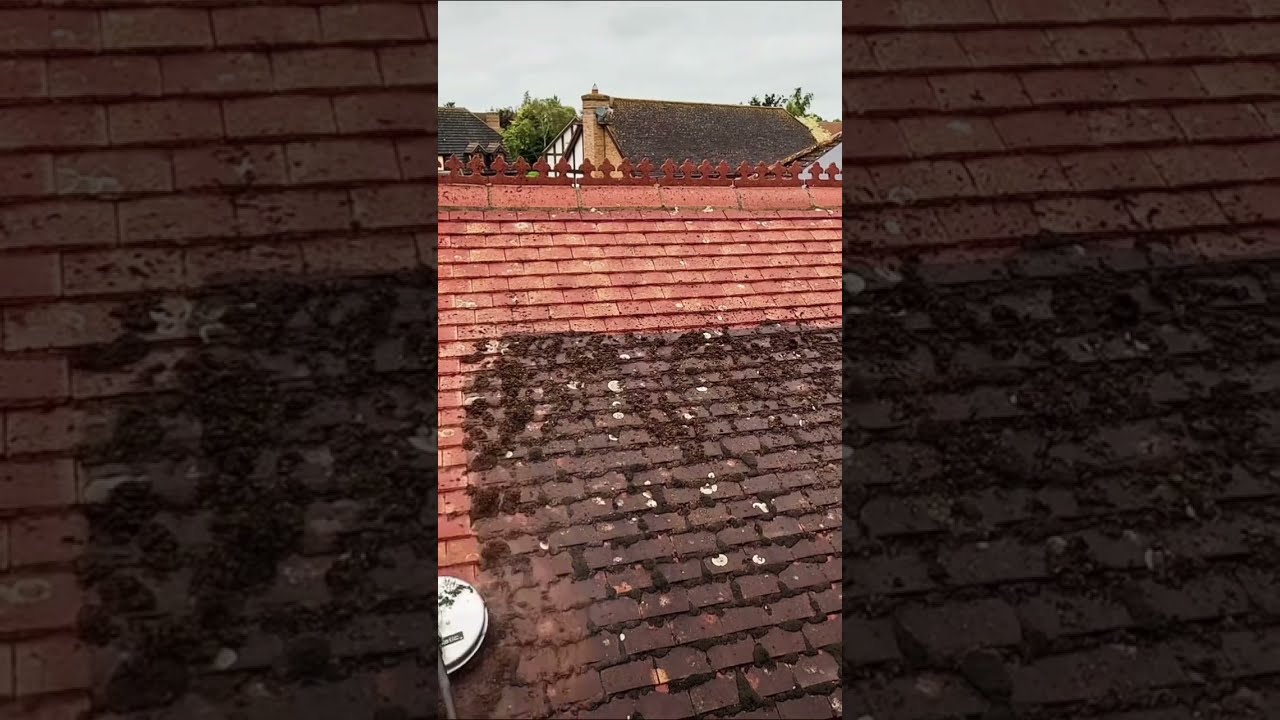
When moss and lichen are permitted to thrive unchecked on a Prospect roof, their root structures (rhizoids) bore into the microscopic pores of concrete and clay tiles. Over several seasons, these organisms retain immense amounts of moisture directly against the tile surface. In addition, thick moss carpets act as dams, forcing rainwater to back up underneath the overlaps of the tiles.
Most manufacturer warranties contain a basic "homeowner duty of care" clause requiring reasonable property maintenance. If an insurance or manufacturer assessor inspects a roof leak and determines that the primary cause was unchecked biological growth wedging tiles apart or pooling water over laps, the claim can be formally denied on grounds of preventable owner neglect. Regular, gentle sanitization is therefore not just an aesthetic upgrade—it is an essential protective measure for your warranty.
Integrating Roof Care with Comprehensive Property Maintenance
Roof preservation does not occur in isolation. A clean roof requires functional drainage and an exterior that supports overall water management. When scheduling exterior work, smart property owners in Prospect often pair roofing care with complementary exterior services to protect every aspect of their home.
Foremost among these is Gutter Cleaning. When roof moss is treated, or during natural seasonal leaf fall, downpipes and gutters can quickly https://cashhiwl029.iamarrows.com/5-signs-your-prospect-home-needs-expert-driveway-cleaning become choked. Blocked gutters cause water to back up directly into the roof eaves and fascia boards, triggering rot and moisture damage that tile warranties will not cover. Clearing out drainage channels ensures that run-off from both rain and gentle cleaning solutions drains away cleanly.
Similarly, homes equipped with renewable energy systems require dedicated Solar Panel Cleaning. Organic debris and algae migrating down from roof tiles often accumulate along the bottom edges of photovoltaic panels, cutting electricity generation and potentially voiding solar manufacturer performance guarantees. A professional cleaning crew can safely treat both systems in a single, coordinated visit.
Beyond the roofline, establishing a cohesive maintenance plan creates a balanced, pristine property exterior. Pairing roof treatment with comprehensive House Washing removes grime, cobwebs, and airborne dust from weatherboards, render, and brickwork. At ground level, services like Driveway Cleaning and Deck Cleaning restore outdoor living zones, removing slick mould and tyre marks. Unlike roofing tiles, robust surfaces such as poured concrete driveways, exposed aggregate paths, and industrial car parks are ideally suited for high-powered Commercial Pressure Cleaning, which lifts deeply embedded motor oil and industrial grime safely.
Best Practices for Protecting Your Warranty When Hiring a Contractor
To ensure your warranty remains 100% valid throughout the lifespan of your roof, take proactive measures before allowing any service provider onto your property. Protecting your home requires asking the right technical questions up front.
- Request a Written Scope of Work: Insist that the quote explicitly states the cleaning methodology being used, confirming low-pressure soft washing techniques rather than high-pressure surface blasting.
- Verify Chemical Formulations: Ensure the company uses pH-appropriate, biodegradable algaecides and surfactants formulated specifically for residential roof substrates.
- Confirm Public Liability and Workers Compensation: Verify that the contractor holds adequate, up-to-date insurance coverage to protect against accidental tile breakage or structural incidents during the job.
- Document the Pre-Clean Condition: Take detailed, high-resolution photographs of your roof tiles, pointing mortar, and gutters before work begins to establish a clear baseline record.
- Keep Service Invoices on File: Store detailed receipts alongside your original building and roofing paperwork. In the event of a future warranty claim, these invoices serve as verifiable proof that the roof was maintained using approved, professional methods.
Looking Ahead: Roofing Care in 2026 and Beyond
As roofing materials evolve heading into 2027 and beyond, manufacturers are introducing advanced ceramic coatings, heat-reflective pigments, and self-cleaning tile surfaces. These technological advancements make proper maintenance even more essential, as abrasive techniques can permanently ruin expensive engineered coatings in a matter of seconds.
Keeping your roof in peak condition does not mean choosing between an unsightly, moss-covered property and a voided manufacturer warranty. By opting for certified soft wash Roof Cleaning, Prospect homeowners can eliminate damaging organic growth, enhance curb appeal, and preserve complete warranty protection for decades to come.
Prospect Pressure Cleaning
Unit 2/77 Prospect Rd, Prospect SA 5082
ph. (08) 7282 0629